
The 102nd Meeting of the European General Practice Research Network (EGPRN) took place from 14–17 May 2026 in Verona, Italy.
The theme of the meeting, “Continuity of Care Now and in the Future’’, emphasises the importance of continuity of care in primary care in a changing world. The meeting provided a valuable opportunity to explore what more can be done to maintain continuity of care in the future. Moreover, it strengthened research capacity, supported early-career researchers, and contributed to the development of stronger primary care systems across Europe.
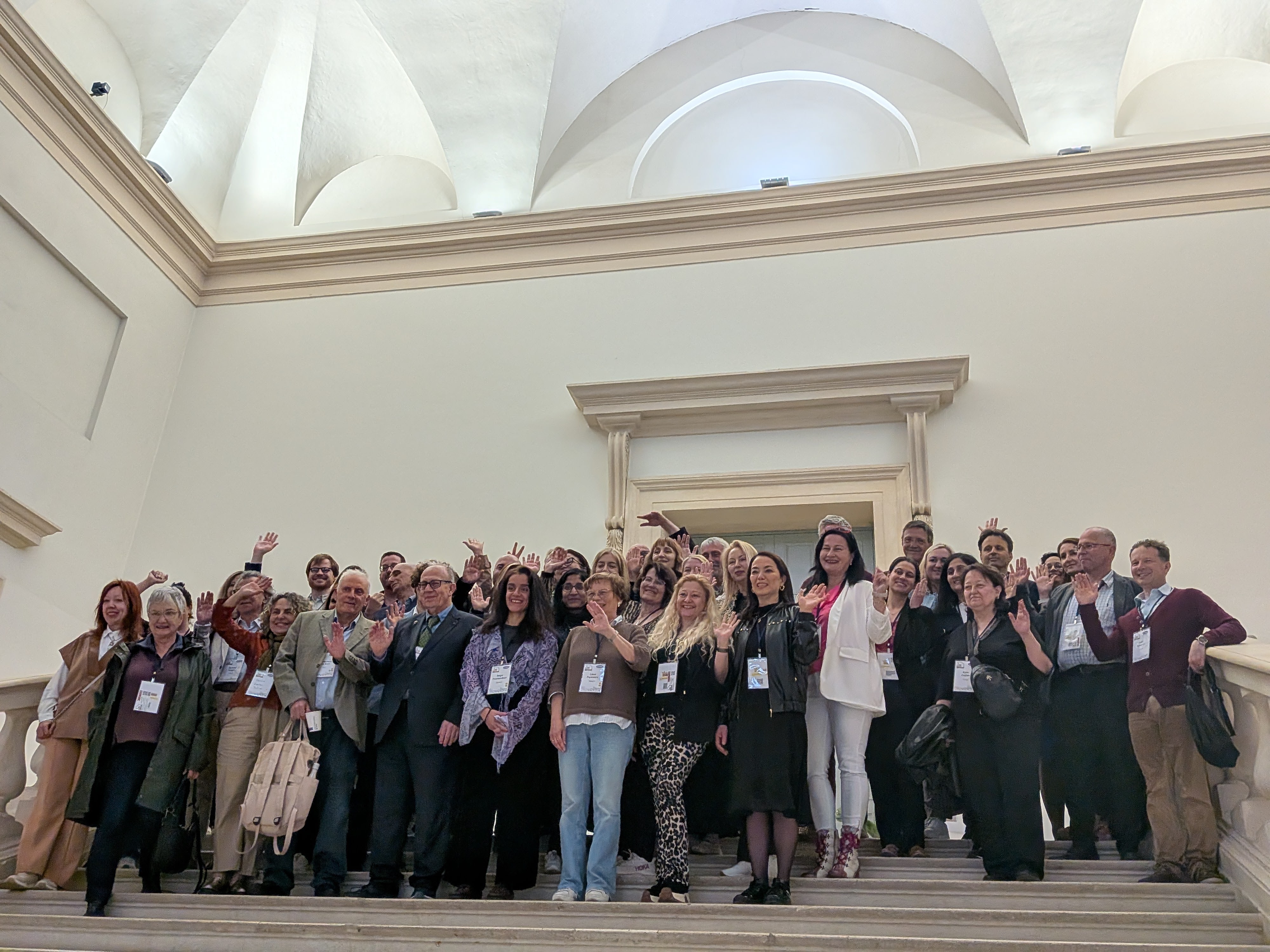
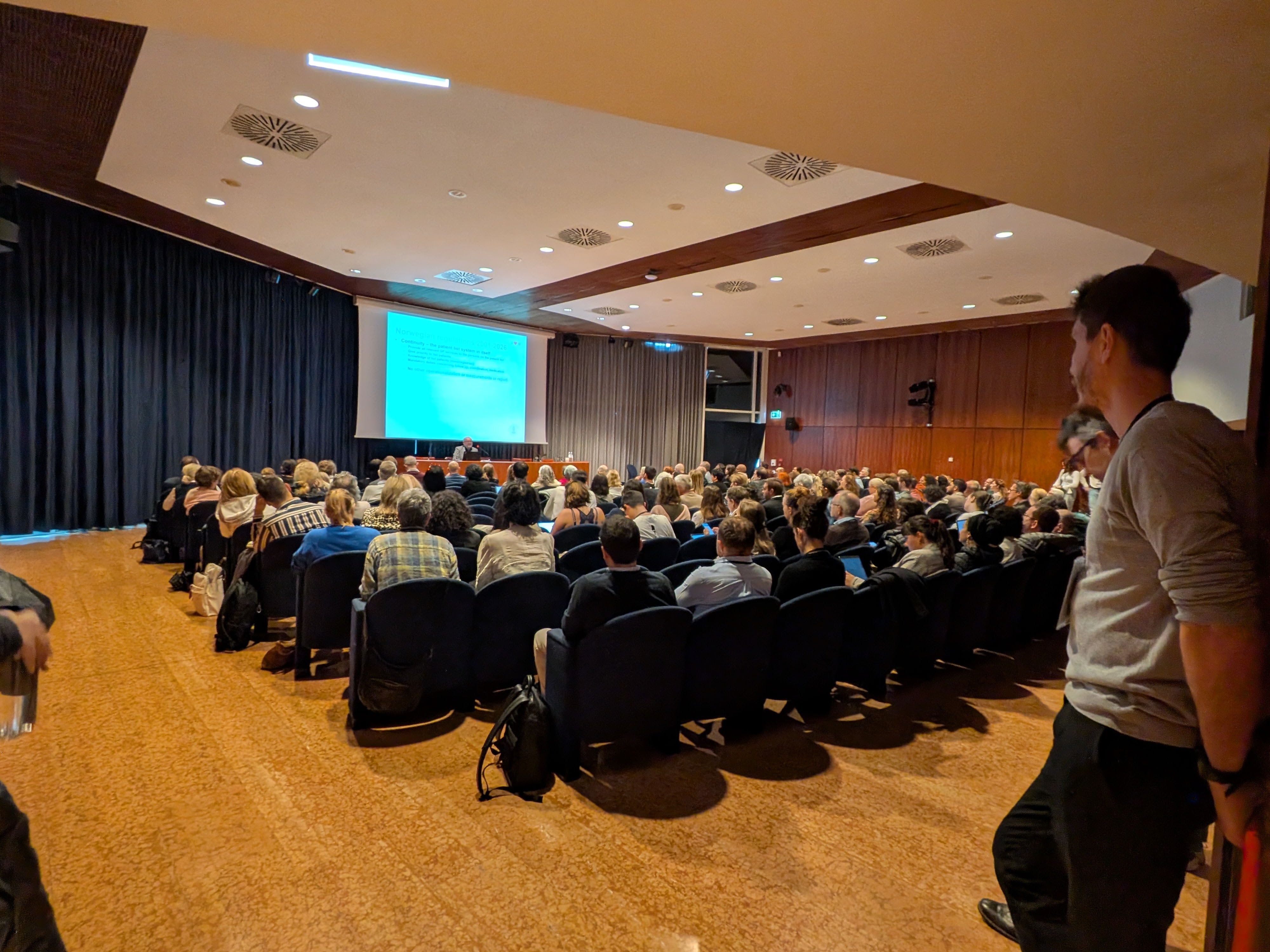
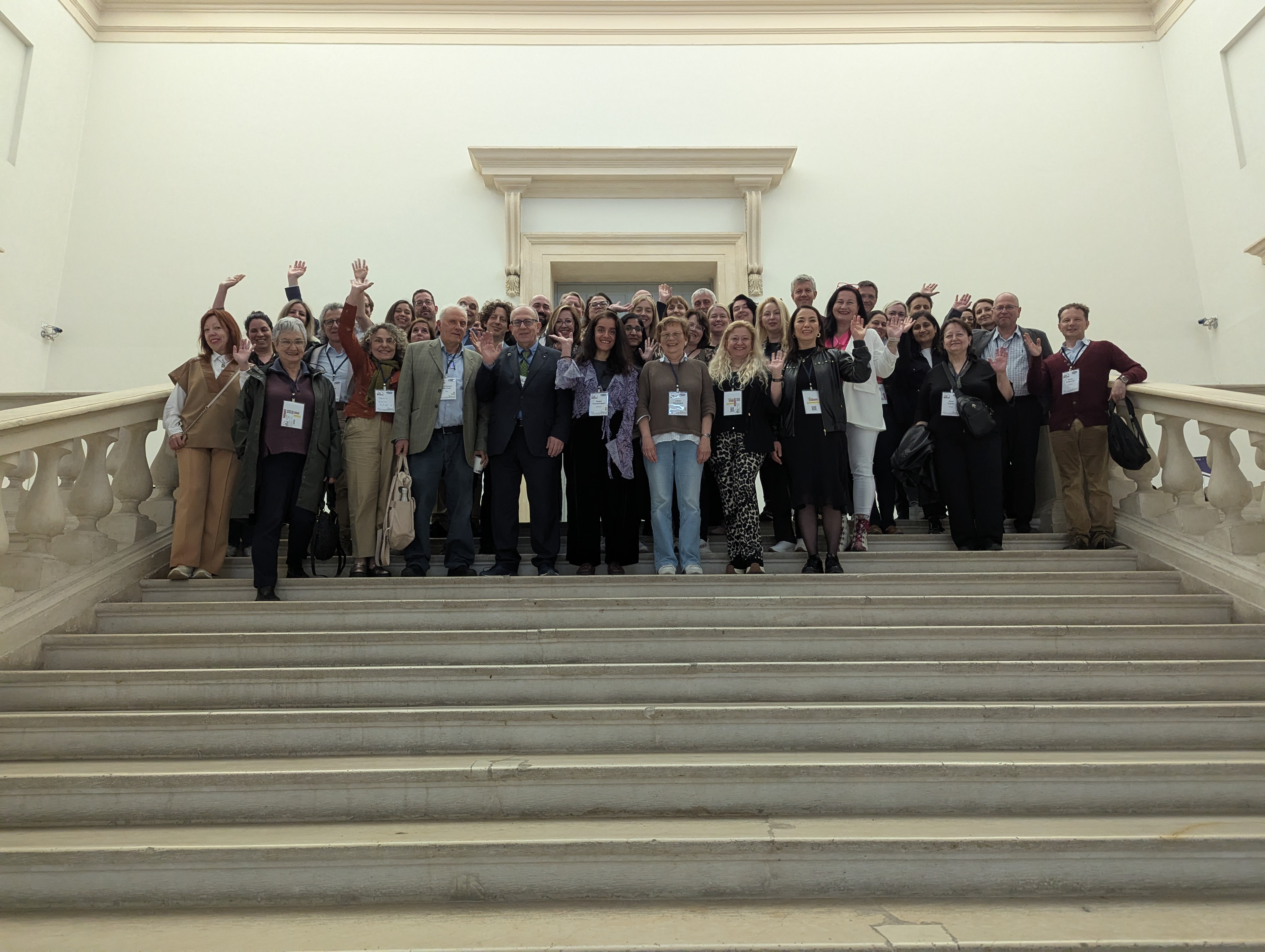
The meeting gathered 243 participants from 37 countries, demonstrating the continued expansion and growing influence of EGPRN as a European research community. Of these, 97 participants were attending an EGPRN meeting for the first time. A total of 111 abstracts were accepted for presentation, distributed across oral sessions, poster presentations, one-slide five-minute presentations, and the final evaluation of participants in the EGPRN Web-Based Research Course. The programme was marked by lively discussions, constructive methodological feedback, and a strong atmosphere of collaborative mentorship, particularly visible during the Blue Dot Coffee session, which welcomed first-time attendees.
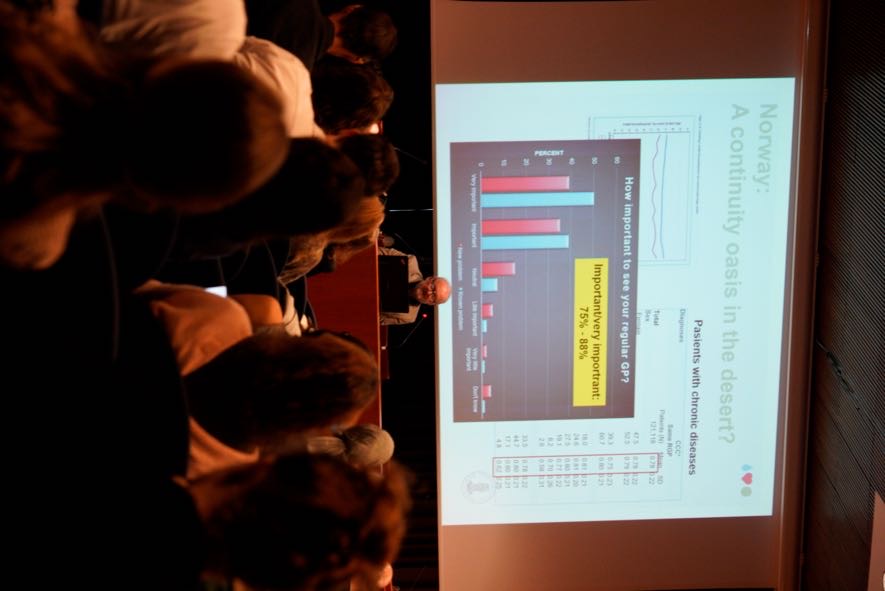
The international keynote lecture was delivered by Prof. Steinar Hunskaar (Emeritus Professor of Family Medicine at the University of Bergen), who presented “How to Balance Direct Access and Continuity of Care”. He highlighted the importance of continuity in primary care while maintaining a balance between easy access and continuity of care. Good access to a personal doctor reduces delays, supports early treatment, builds trust that care is available, and is associated with high patient satisfaction. Continuity of care is linked to better health outcomes, including lower mortality, fewer hospital admissions, reduced healthcare costs, and greater patient satisfaction.
These two concepts often pull in different directions, driven by public and political demands for easier access, sometimes at the expense of continuity. In many countries, efforts to improve access have weakened personal continuity of care in recent years. Achieving the right balance between these two values remains an international challenge. Prof. Hunskaar emphasised the need to develop effective models of care that improve access while preserving continuity and upholding the concept of the personal doctor.
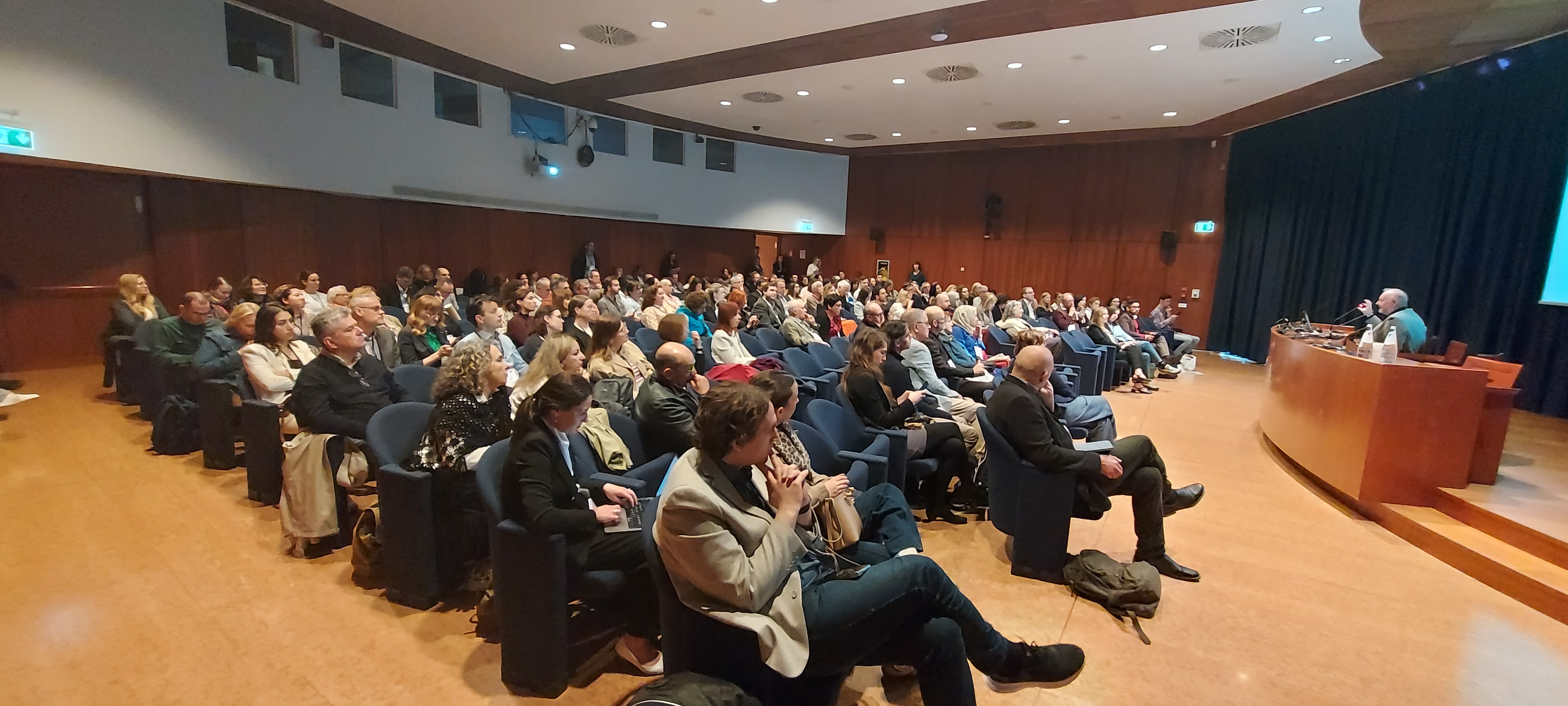
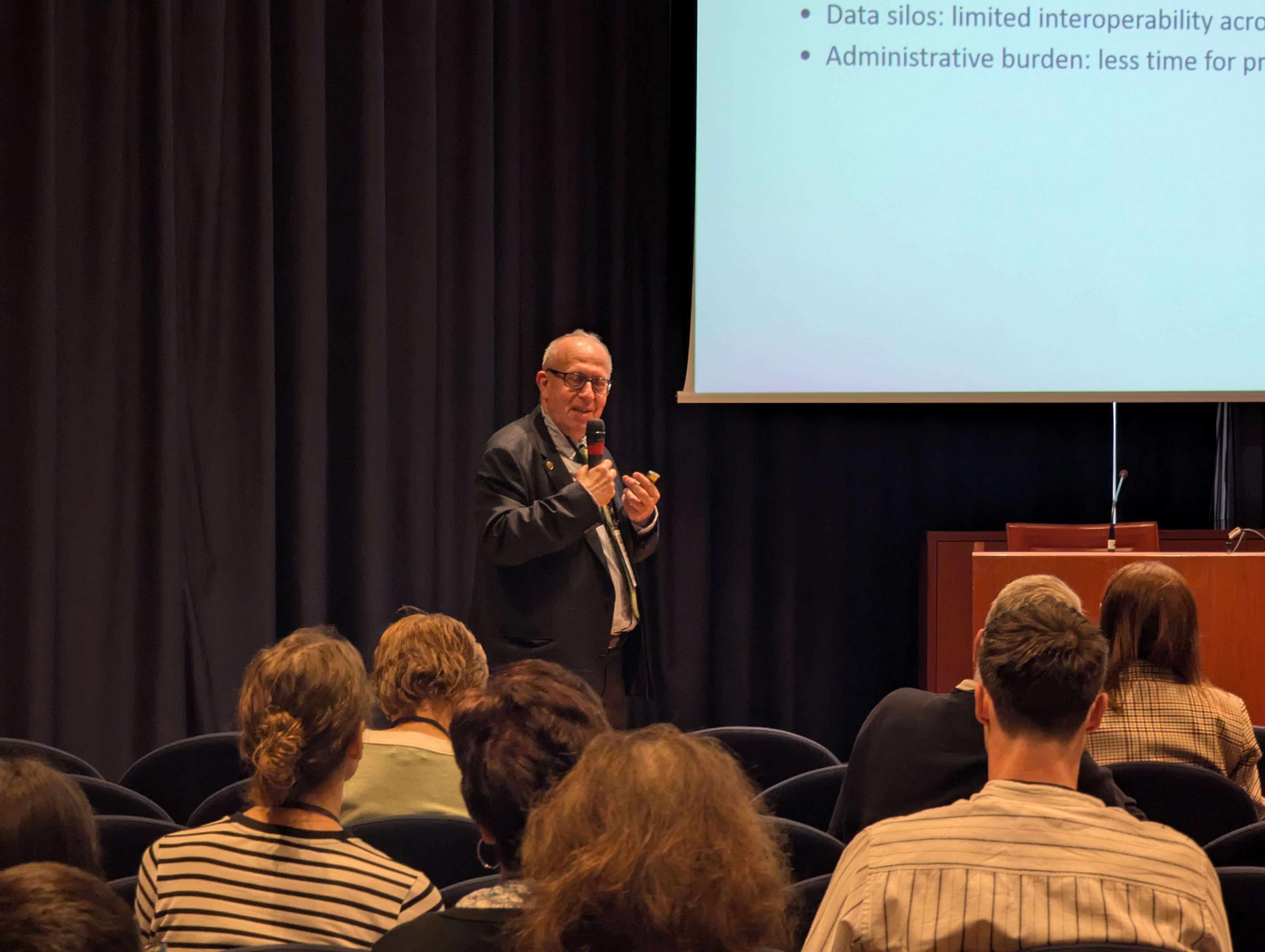
The national keynote was delivered by Dr. Ferdinando Petrazzuoli (a rural family doctor in Southern Italy and Chair of EURIPA), who presented “Continuity of Care: An Essential Characteristic of the Discipline of General Practice/Family Medicine.” Drawing on more than 35 years of professional experience, he reflected on the importance of continuity as a core value of family medicine. He highlighted the challenges of maintaining continuity of care in a healthcare environment characterised by numerous private healthcare providers offering a wide range of services, as well as considerable turnover among family doctors in Southern Italy. Despite these challenges, he emphasised that continuity remains a fundamental element of high-quality primary care and a defining feature of the family medicine discipline.
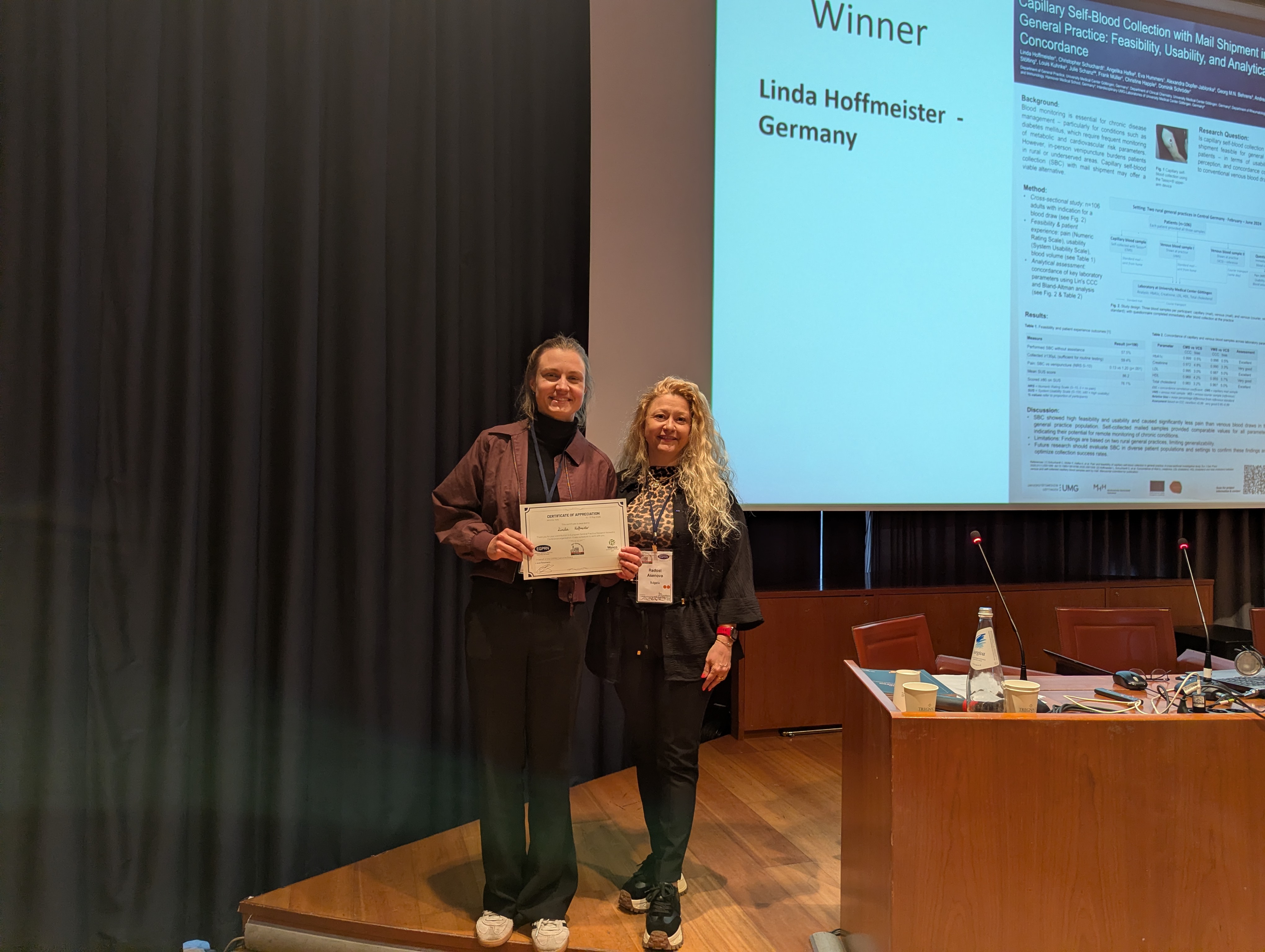
Scientific sessions reflected the central theme, with presentations addressing the maintenance of continuity of care, interprofessional collaboration in patient care, patient-centred innovations, approaches to improving healthcare access, and the role of digital tools in strengthening continuity and coordination. Poster presentations and One Slide - 5 Minutes presentations stimulated active exchange and highlighted emerging research from early-career clinicians and academic teams. The Poster Prize was awarded during the Closing Session.
The local host, Prof. Giulio Rigon, opened the meeting and chaired the welcome session. His extensive experience, accumulated over many years, together with the commitment of the organising committee, ensured an exceptionally well-organised and successful event.
Participants also experienced the cultural heritage of Verona, renowned for its rich history, Roman Arena, and association with the story of Romeo and Juliet. The social programme, held in a local restaurant and reflecting the warmth of Italian hospitality, further strengthened the sense of connection that characterises EGPRN meetings.
This 102nd meeting continued the half-century tradition of EGPRN as a dynamic scientific network rooted in collaboration, mentorship, and the shared mission of strengthening primary care across Europe.
We look forward to the next gathering of our research community at the 103rd EGPRN Meeting in Santiago de Compostela, 22–25 October 2026.
On behalf of the EGPRN Communications and Public Relations Committee.
This article was published under the category News on 01/06/2026 06:00.